NPNorthPath AICanadian context, practical AI work, and steadier career rebuilding.

Core agent improvement

OpenClaw Capability Evolver guide: adaptive skill growth for long-running agents

Practical skill guideopenclaw capability evolverOriginal source included

A practical introduction to Capability Evolver for teams that want OpenClaw agents to improve their working patterns over time instead of staying static.

You do not need to read every page manually. Paste this URL into AI tools such as ChatGPT, Gemini, OpenClaw, or another agent, then use this prompt:

Read this page carefully, summarize the key points, and guide me through the next decision step by step. I want to ask follow-up questions in conversation, and you can also help turn the material into reusable GPTs, Gems, or skills if useful.
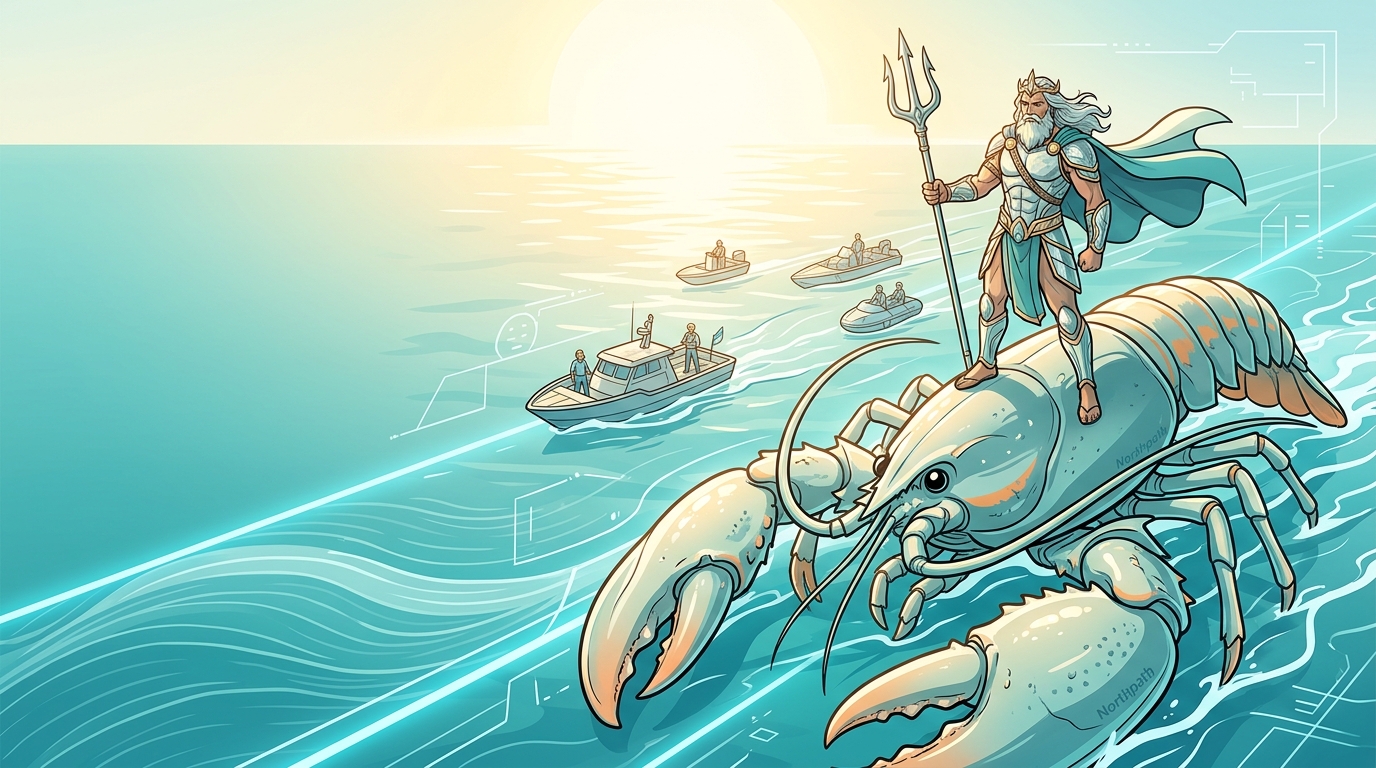
Poseidon and a giant lobster represent Capability Evolver inside a bright OpenClaw workflow scene.
A Poseidon-themed illustration used as the lead image for Capability Evolver inside the OpenClaw skills section.

Original source

Check the current ClawHub listing before you install it.

Before you use this OpenClaw skill in real work, review the current listing, files, and runtime notes so you can confirm setup steps, dependencies, and scope.

Open the current listing

Workflow fit

Where Capability Evolver fits in real work

Capability Evolver makes the most sense after a team already has a stable baseline. It belongs in the layer where you inspect repeated work, decide what should become more capable, and then update the surrounding workflow with intention.

Why builders use it

  • Helps teams think about capability growth as an ongoing workflow rather than a one-time setup task.
  • Makes it easier to identify where an agent should expand, tighten, or reorganize its behavior.
  • Pairs well with structured reviews so improvement happens through deliberate iteration instead of random drift.

Best use cases

  • Improving long-running internal agents that handle repeatable business tasks.
  • Refining workflow quality after operators notice recurring blind spots or weak handoffs.
  • Supporting a skill library that needs to stay useful as the surrounding stack changes.

How this skill fits into a broader workflow

Capability Evolver makes the most sense after a team already has a stable baseline. It belongs in the layer where you inspect repeated work, decide what should become more capable, and then update the surrounding workflow with intention.

If you are comparing several OpenClaw skills at once, the most useful question is not which one sounds impressive. The better question is where it removes friction in a real operating sequence and what other skills need to sit beside it.

Caution before you adopt this skill

Do not treat capability growth as permission to give an agent more power by default. Improve the process first, then decide whether the skill set should expand at all.

The current listing is still the safest place to confirm files, configuration, and integration details before you commit this skill to a real workflow.

Next reading

Compare this skill with the broader OpenClaw operating picture

If you want the wider picture around OpenClaw setup, safety, and workflow design, read the guide below before deciding how this skill fits into your stack.